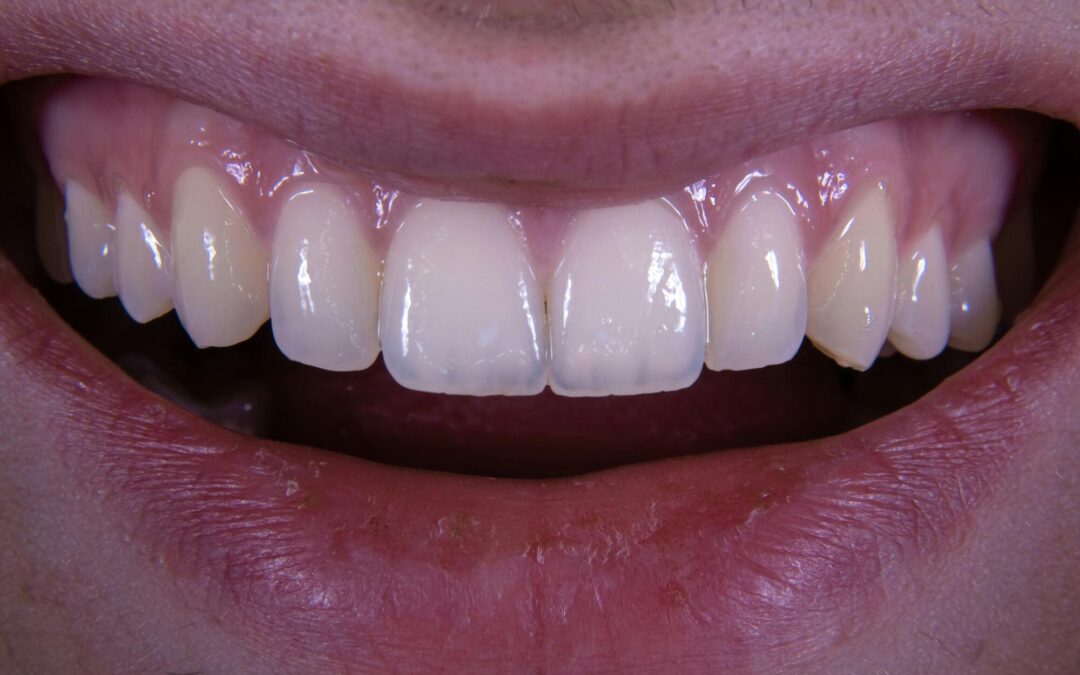
Did you know that a child’s tooth enamel is the hardest substance in the human body, yet it can start to show signs of weakness long before a cavity forms? Noticing bright streaks or white spots on teeth can be an immediate cause for parental concern.
Are they a sign of decay, a cosmetic flaw, or something else entirely?
The most common cause of these spots is enamel demineralization, the earliest stage of a cavity. However, they can also result from fluorosis or enamel development issues. The crucial fact for parents is this: early identification is key, most causes are preventable, and modern pediatric dentistry offers several gentle, effective solutions to restore a uniform, healthy smile.
Understand the three primary causes of white spots on teeth, distinguish between them, and outline the proactive prevention strategies and professional treatments available. At Beaumont Kids Dentistry, we specialize in addressing these early signs to protect your child’s long-term oral health with compassion and expertise.
What Causes White Spots on Teeth? The Three Main Culprits
Understanding the origin is the first step toward an effective solution. In pediatric dentistry, we typically trace causes of dental white spots to one of these three conditions:
1. Enamel Demineralization (The Early Warning Sign)
This is the most frequent cause. It occurs when acid produced by plaque bacteria begins to dissolve the calcium and phosphate in the tooth’s enamel.
This acid attack often happens when plaque is allowed to sit undisturbed, commonly around orthodontic brackets, near the gumline, or in hard-to-clean areas. The result is a chalky, opaque white lesion that is, in fact, the very beginning stage of a cavity.
2. Fluorosis (A Result of Early Overexposure)
Dental fluorosis occurs when a child ingests too much fluoride over a long period while the teeth are still forming beneath the gums (typically from birth to age 8). It is a cosmetic condition, not a disease, and results in faint white lines, streaks, or spots.
Yale School of Public Health notes that fluorosis is typically caused by a combination of sources, such as fluoridated water, toothpaste, and supplements, during critical developmental years.
3. Enamel Hypoplasia (A Developmental Concern)
This condition results in thin or absent enamel due to a disruption during tooth development. Causes can include high fever, malnutrition, certain medications, or premature birth.
The spots or patches from hypoplasia are often more irregular and may feel rough or pitted, making the tooth more susceptible to decay.
Are White Spots Permanent? The Path from Prevention to Treatment
A parent’s most pressing question is often: “Can these white spots go away?” The answer depends on the cause and stage.
In the earliest demineralization stage, the process can sometimes be reversed through a treatment called remineralization, which uses concentrated fluoride or calcium phosphate to help repair the enamel. However, once the enamel structure has broken down to a certain point or if the spot is due to fluorosis or hypoplasia, it will not disappear on its own.
The best strategy is always proactive, preventing tooth discoloration and demineralization. Excellent dental care tips for kids are your first defense:
- Supervised brushing to remove all plaque
- Using the correct amount of fluoride toothpaste
- Limiting sugary or acidic drinks and snacks
- Regular professional cleanings and dental sealants
Effective Professional Treatments for White Spots
For spots that are beyond the remineralization stage, several effective teeth whitening solutions and restorative options are available. At Beaumont Kids Dentistry, we prioritize minimally invasive techniques that preserve healthy tooth structure.
- Resin Infiltration (ICON): A clear resin painlessly fills porous enamel, blending spots in one visit
- Microabrasion: Gentle polishing to remove a microscopic layer of enamel
- Professional Whitening: Minimizes contrast between spots and healthy enamel
- Composite Bonding: Application of tooth-colored resin to cover pronounced spots
Frequently Asked Questions
Do White Spots Always Mean a Cavity?
Not always, but they are a significant warning sign. The chalky white spots of demineralization are the precursor to a cavity. Without intervention, they can progress to a hole in the tooth. A dentist can diagnose the exact cause during an exam.
Can I Use Adult Whitening Strips on My Child’s White Spots?
No. Over-the-counter whitening products are not a solution for white spots caused by demineralization or fluorosis. They bleach the entire tooth, which can sometimes make the dense, white spots appear even more prominent by contrast. They should never be used without a dentist’s recommendation.
How Can I Prevent White Spots if My Child Has Braces?
Meticulous hygiene is non-negotiable. Use specialized tools like interdental brushes, water flossers, and fluoride rinses as recommended by your orthodontist and pediatric dentist. Attend all scheduled cleanings and consider preventive sealants if applicable.
Could White Spots Be Linked to My Child’s Diet or Allergies?
Yes, in some cases. In rarer cases, celiac disease can manifest as symmetrical white or yellowish spots on the teeth due to malabsorption of enamel-building nutrients.
Chronic acid exposure from frequent consumption of citrus fruits, sodas, or sports drinks can contribute to enamel demineralization. Additionally, certain medications (like asthma inhalers) that are acidic or cause dry mouth can increase risk.
When Should I See a Dentist About White Spots?
As soon as you notice them. Early assessment allows for the most conservative treatment options, potentially even remineralization. Scheduling a check-up gives you a definitive diagnosis and a clear action plan.
Protecting Your Child’s Confident Smile Starts with Expert Care
Addressing white spots on teeth is about more than aesthetics; it’s about intercepting problems early and preserving healthy enamel for life. Understanding the cause empowers you to take the right preventive steps, and knowing the gentle treatment options available provides peace of mind.
At Beaumont Kids Dentistry, your child’s care is led by Dr. Jane-Katherine Jones, a board-eligible pediatric dentist who completed advanced residency training at the University of Kentucky.
Don’t let uncertainty about white spots linger: trust your child’s smile to a specialist. Let our experienced team provide a thorough evaluation and recommend the most appropriate, gentle path forward. Schedule your child’s consultation at Beaumont Kids Dentistry today.